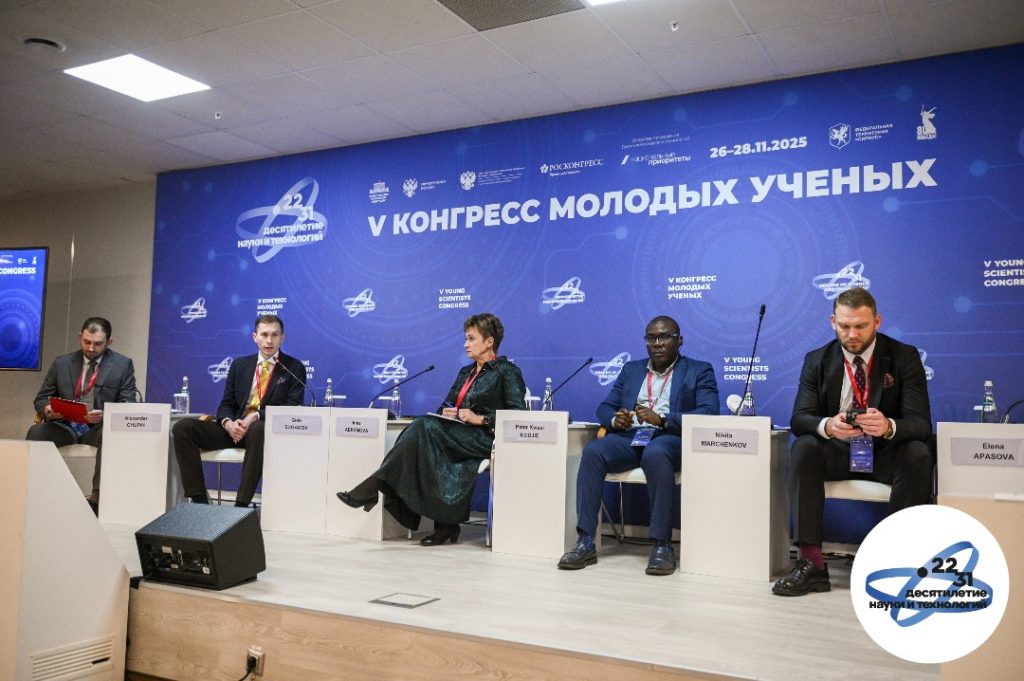
Sirius Federal Territory, Russia - 28 November 2025
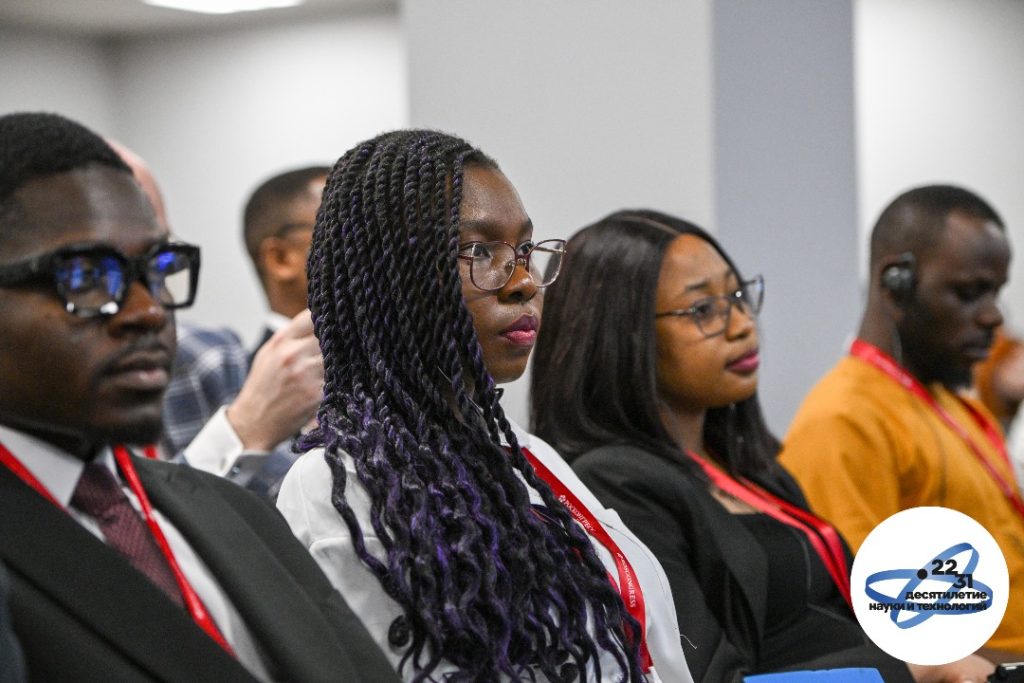
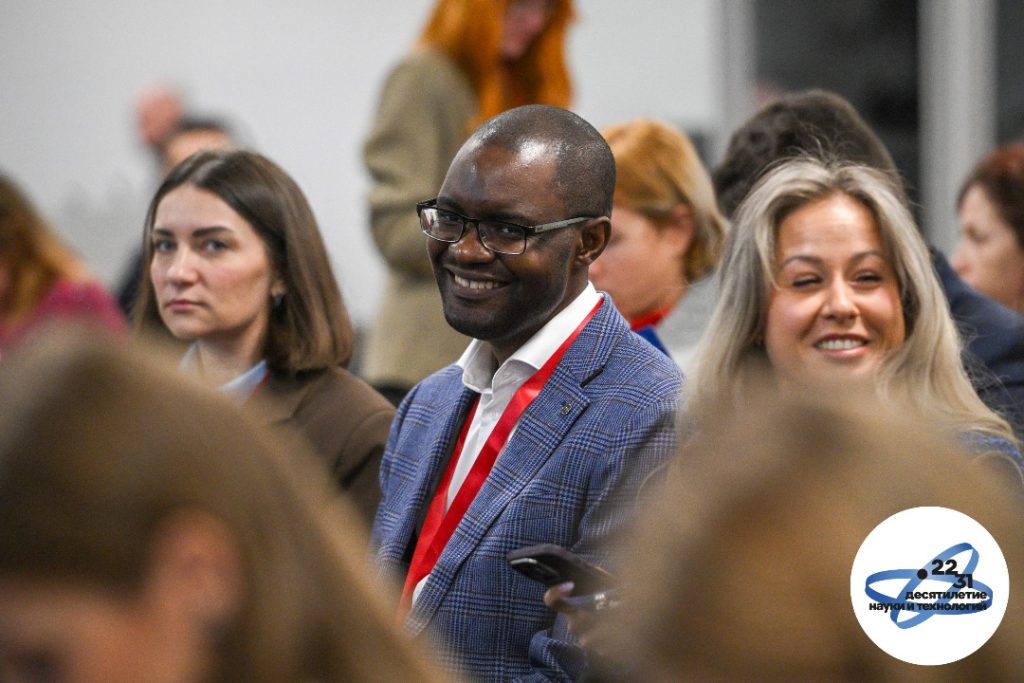
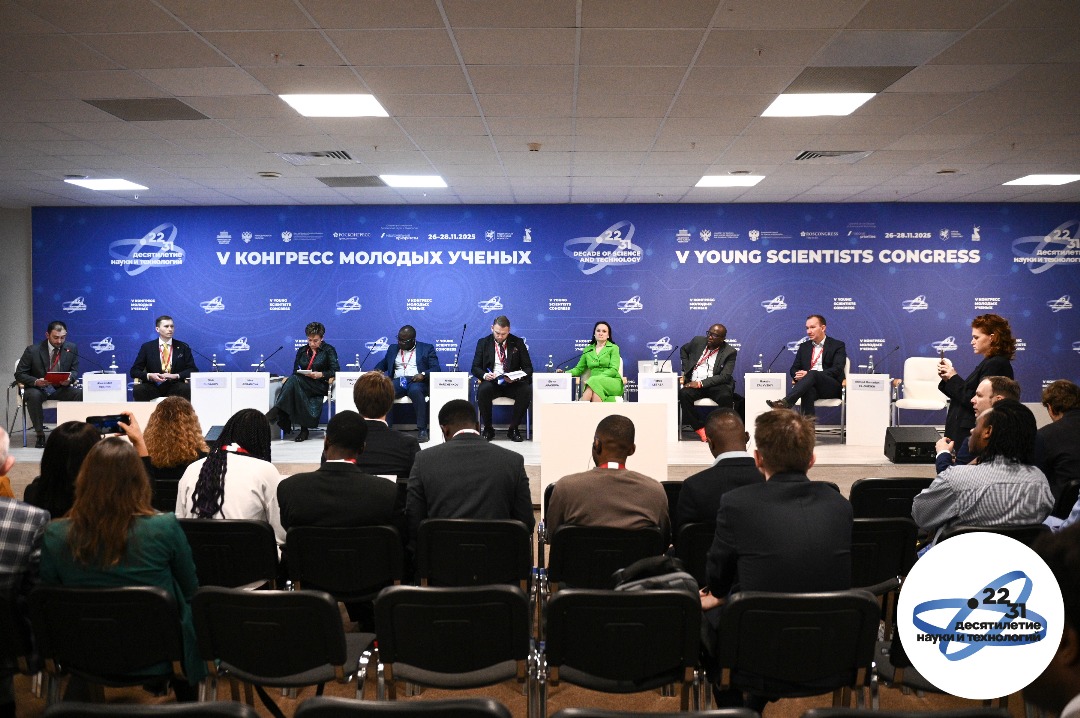
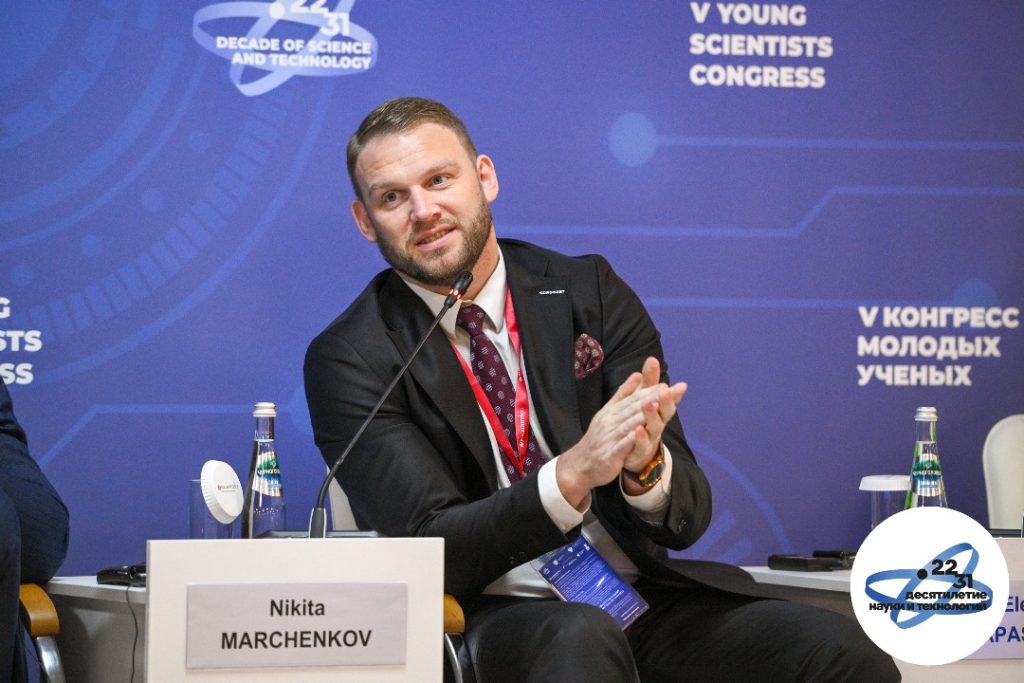
The All-Africa Students Union (AASU) took part in the Fifth Young Scientists Congress, the flagship event of the Decade of Science and Technology in Russia, held at the Sirius University of Science and Technology from 26-28 November 2025. The Congress brought together more than 8,500 participants from over 100 countries, including leading researchers, national policy actors, science diplomats, and representatives of youth scientific communities.
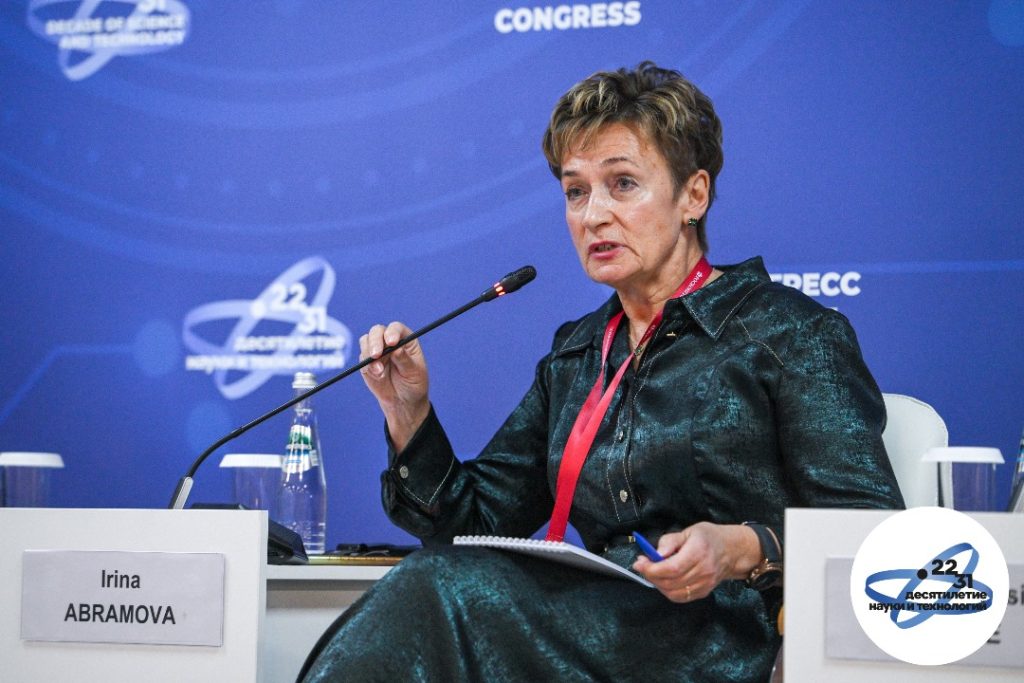
AASU’s Secretary-General, Mr. Peter Kwasi Kodjie, joined distinguished panelists in the high-level session titled “Russia-Africa: Opportunities for Applied Scientific Projects”. The session explored the rapidly expanding landscape of scientific cooperation between Russia and African nations, with particular emphasis on applied research, talent development, joint innovation programmes, and mechanisms for strengthening academic mobility.
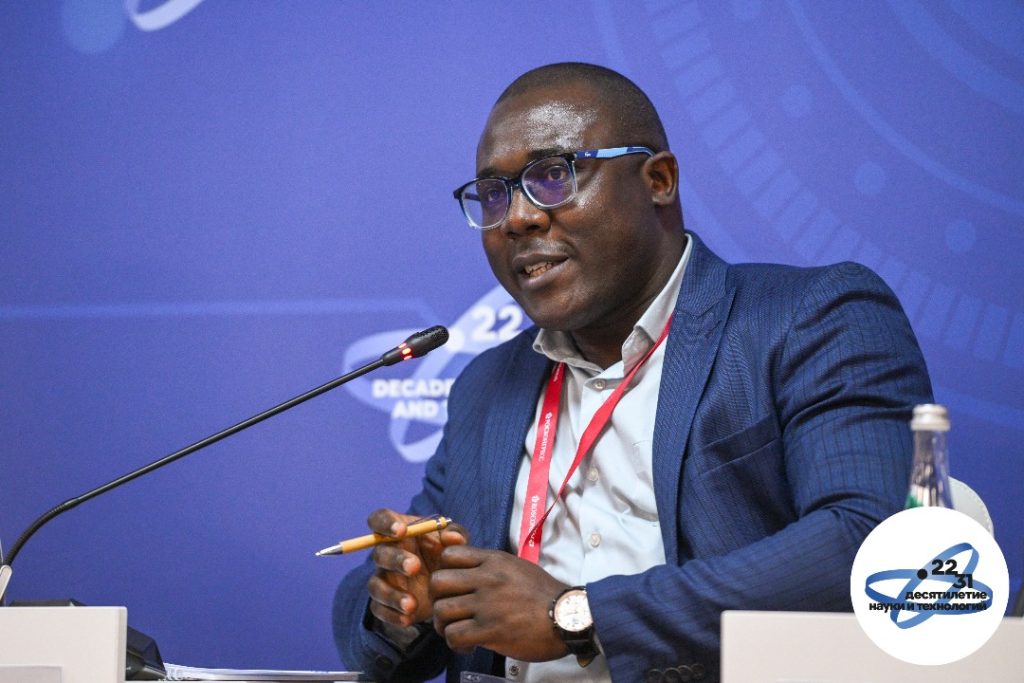
Speaking during the panel, Mr. Kodjie underscored that Africa’s engagement in global scientific cooperation is entering a new phase – one defined not by aid dependency, but by mutually respectful partnerships grounded in shared expertise, co-creation, and joint technological ambition. He emphasised that Africa and Russia must view one another as equal partners in development, capable of designing and delivering research collaborations that respond to the complex challenges of both regions.
“Our cooperation must move beyond the traditional frame of donor-recipient dynamics,” he stated. “Africa and Russia have deep reservoirs of scientific talent, and our collaboration should reflect a partnership of equals – rooted in joint responsibility, shared innovation, and a common vision for scientific advancement.”
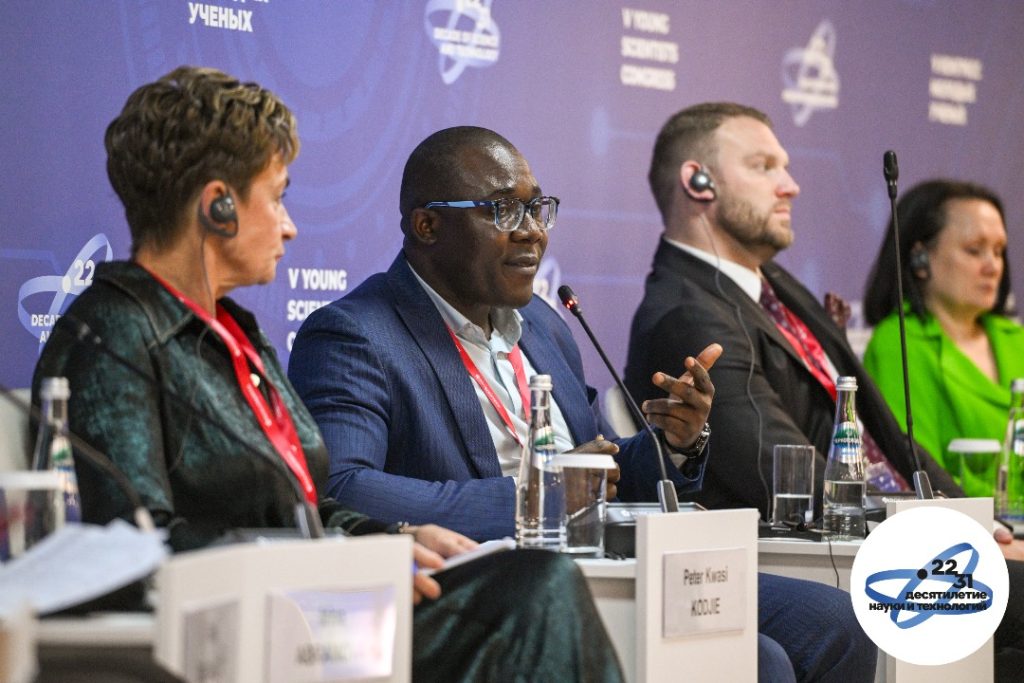
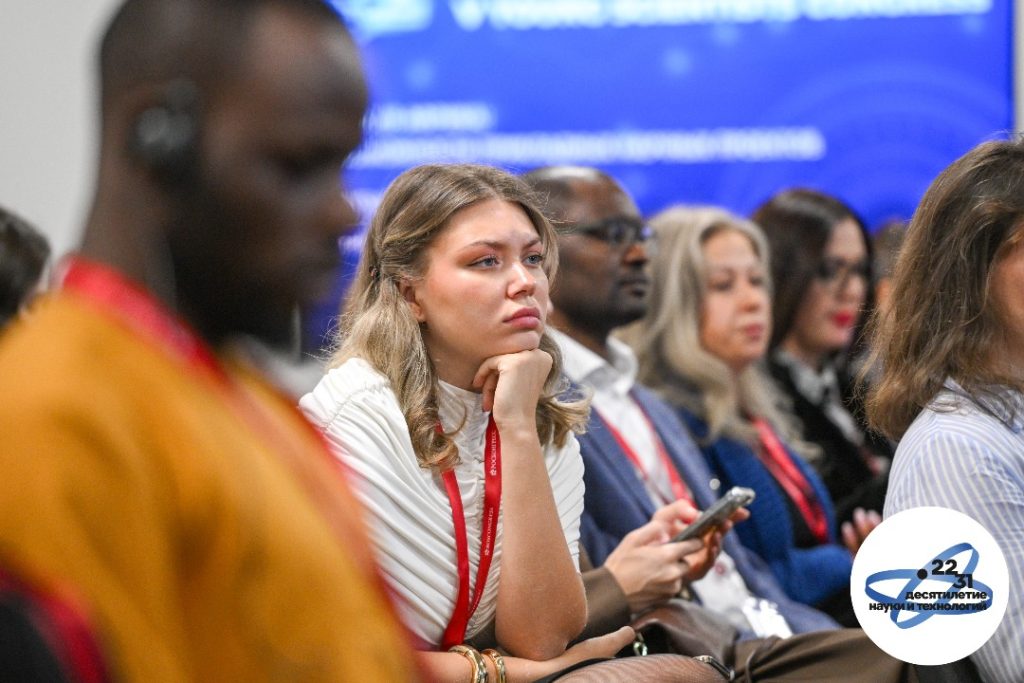
The session also examined emerging opportunities for continental engagement, including youth-led scientific forums, co-supervised postgraduate programmes, inter-institutional research networks, and mechanisms to facilitate internships and academic exchanges. Discussions highlighted the rising interest among young scientists in exploring applied research fields such as artificial intelligence, biotechnology, energy innovation, public health, agricultural technologies, and climate resilience – areas where both Russia and African countries have declared strategic priorities.
Representatives of the Russian Academy of Sciences, leading universities, BRICS research platforms, and government agencies also shared updates on national initiatives aimed at supporting joint research, deepening science diplomacy, and strengthening youth participation in global scientific dialogue.
AASU used the platform to restate its long-standing commitment to championing student-led and youth-driven scientific cooperation across borders. Mr. Kodjie reaffirmed the Union’s readiness to help convene African youth scientists, strengthen mobility pathways, and support research teams working on solutions that advance Agenda 2063 and the Sustainable Development Goals.
“The future of Africa’s scientific renaissance depends on how effectively we empower young researchers today,” Mr. Kodjie noted. “AASU remains committed to ensuring that African students and young scientists are not only present at the global table of innovation but are meaningfully contributing to shaping it.”
The Union’s participation in the Congress formed part of its broader strategy to consolidate partnerships with international scientific institutions, expand opportunities for African students, and position African youth as central actors in global scientific transformation.
AASU extends its appreciation to the organisers of the Decade of Science and Technology and to the various Russian institutions engaging African partners in constructive and forward-looking collaboration.